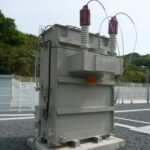


A Transformer is an electrical device used to increase or decrease AC voltage using electromagnetic induction.
Step-up voltage (increase voltage)
Step-down voltage (decrease voltage)
Transfer electrical energy from one circuit to another
Core
Made of laminated silicon steel
Provides path for magnetic flux
Primary Winding
Input winding connected to supply
Secondary Winding
Output winding connected to load
Insulation
Separates windings and prevents short circuit
Transformer Oil (in large transformers)
Cooling and insulation purpose
Transformer works on the principle of:
V_p/V_s = N_p/N_s
Where:
(V_p) = Primary Voltage
(V_s) = Secondary Voltage
(N_p) = Primary Turns
(N_s) = Secondary Turns
When AC supply is given to primary winding:
Magnetic flux is produced
Flux links with secondary winding
Voltage induced in secondary winding
Increases voltage
Used in power stations
Decreases voltage
Used in homes and industries
Used near consumers
Used in transmission systems
High efficiency
No moving parts
Low maintenance
Safe voltage conversion
Power transmission
Mobile chargers
Welding machines
UPS and inverter
Electrical substations
\eta = \frac{Output\ Power}{Input\ Power}\times100
E = 4.44 f N \phi_m
Where:
(f) = frequency
(N) = turns
(\phi_m) = maximum flux